
Making friends came with a built-in structure for most of your life. School put you in a room with roughly the same thirty people for a year at a stretch. College added dorms, clubs, and a campus small enough that you kept running into the same faces. Then you graduate, move for a job, and most of that structure disappears at once.
Why It Gets Harder After School
The problem isn't that adults are somehow worse at making friends than they used to be. It's that the systems that used to do the work — proximity, repetition, and forced contact — mostly go away once you're out of school. You have to build a version of that structure yourself, on purpose, which feels unnatural if you've never had to do it before.
Friendship researchers point to a rough rule of thumb: it takes somewhere around fifty hours of time together to move from acquaintance to casual friend, and closer to two hundred hours to reach close-friend territory. In school, you built up those hours without trying. As an adult, you have to add them in deliberately, usually a couple at a time.
Proximity and Repetition Beat Chemistry
It's tempting to wait for a spark — that instant, easy click with someone you meet once at a party. Those moments happen, but they're rare, and waiting around for one is a slow way to build a social life. A more reliable path is picking a handful of people you see regularly and letting the relationship build through repeated, low-stakes contact.
This is why a standing weekly run club, a recurring trivia night, or the same coffee shop at the same time each Saturday tends to produce more friendships than a string of one-off events with a different crowd each time. You don't need every person in the group to become a close friend. You need enough repeated contact that a few of them naturally do.
Say Yes Before You Feel Ready
Most adults who say they're bad at making friends are actually just bad at showing up. It's easy to plan to go to something, then talk yourself out of it an hour before because you're tired, or you don't know anyone yet, or it feels like a lot of effort for an uncertain payoff.
The people who build a social circle as adults tend to have one thing in common: they said yes to more invitations than felt strictly necessary, especially early on. Not every event turns into a friendship — most probably won't — but there's no reliable way to know which ones will in advance. Showing up more often than feels comfortable is, frustratingly, the only strategy that consistently works.
Use Structured Activities as a Shortcut
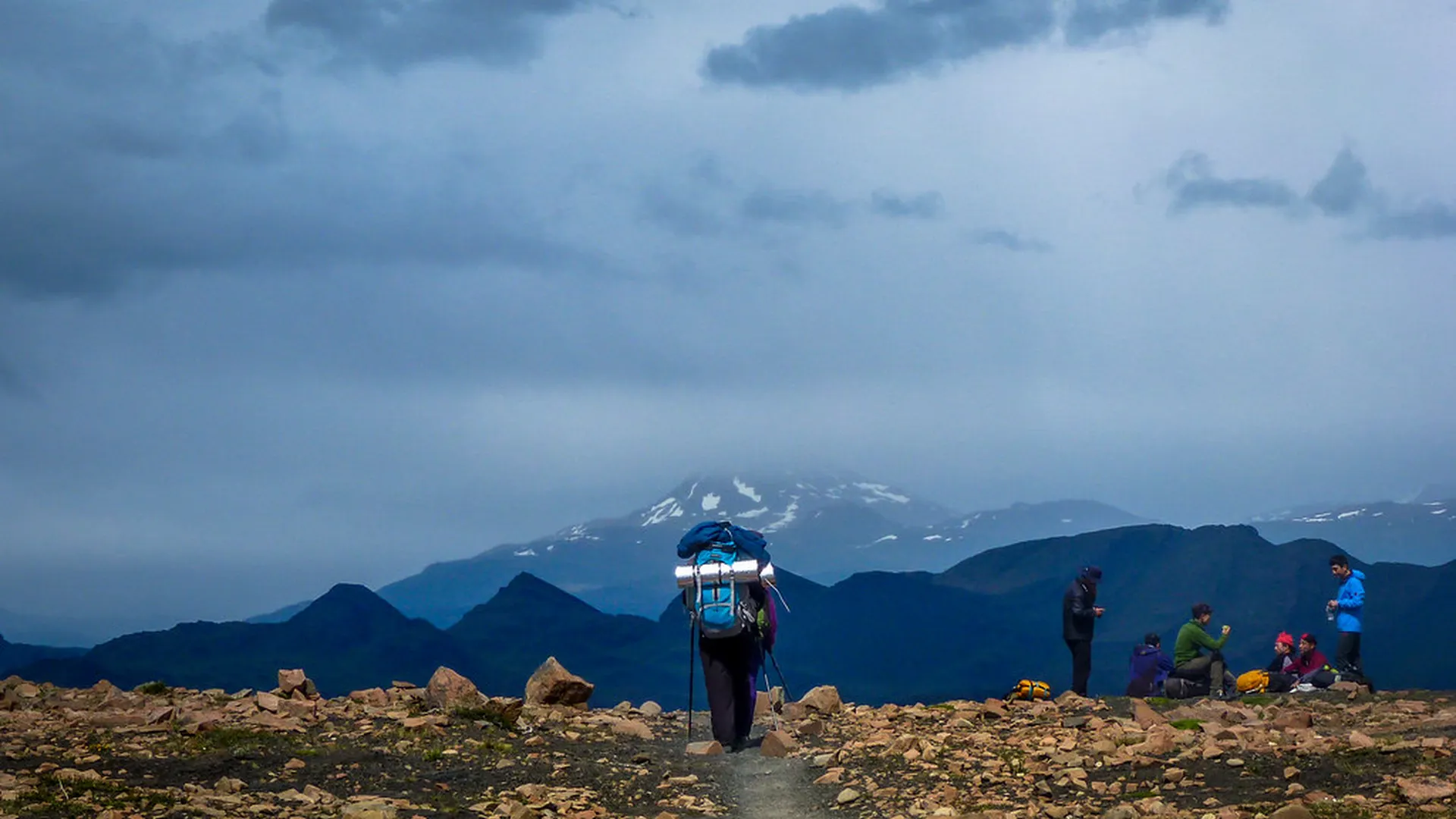
Open-ended socializing — a party, a bar, a networking mixer — puts all the work of starting a conversation on you. Structured activities do some of that work instead. A cooking class gives you something to talk about immediately. A hiking group gives you two hours of side-by-side conversation without the pressure of constant eye contact. A trivia team gives you an easy reason to text someone afterward.
If small talk with strangers drains you, look for activities with a built-in task: classes, sports leagues, board game nights, volunteer shifts. The activity becomes the icebreaker, so you don't have to be one.
Give It More Than One Try
A single mediocre event can convince someone that a whole activity, or a whole city, isn't for them. That's usually the wrong read. Most groups take two or three visits before they start to feel comfortable, partly because you need time to learn names and inside jokes, and partly because the same people don't always show up to the same event twice.
Before writing off a group entirely, try to give it three shots. If it's still flat after that, it's fair to move on — but plenty of friendships that now feel effortless started out a little awkward for the first month.
Be the Person Who Follows Up
Almost every lasting adult friendship has one person in it who's slightly more willing to send the first text, suggest the next hangout, or ask for a phone number instead of waiting to be asked. That person usually isn't more likable or more interesting than everyone else in the group. They're just marginally more willing to go first.
You don't need to be naturally outgoing to be that person. You need a short list of low-pressure follow-ups ready to go: "a few of us are grabbing coffee after next week's hike, you in?" or "I'm terrible with names, remind me what you do again?" Small, specific, and easy to say yes to.
Making friends as an adult rarely happens the way it did in school, all at once and without trying. It happens a couple of hours at a time, with the same small group of people, over a stretch of months you probably won't notice passing until you look up and realize you have plans again.